
Is Your Pool Cage Storm-Ready? 5 Preventive Maintenance Tips
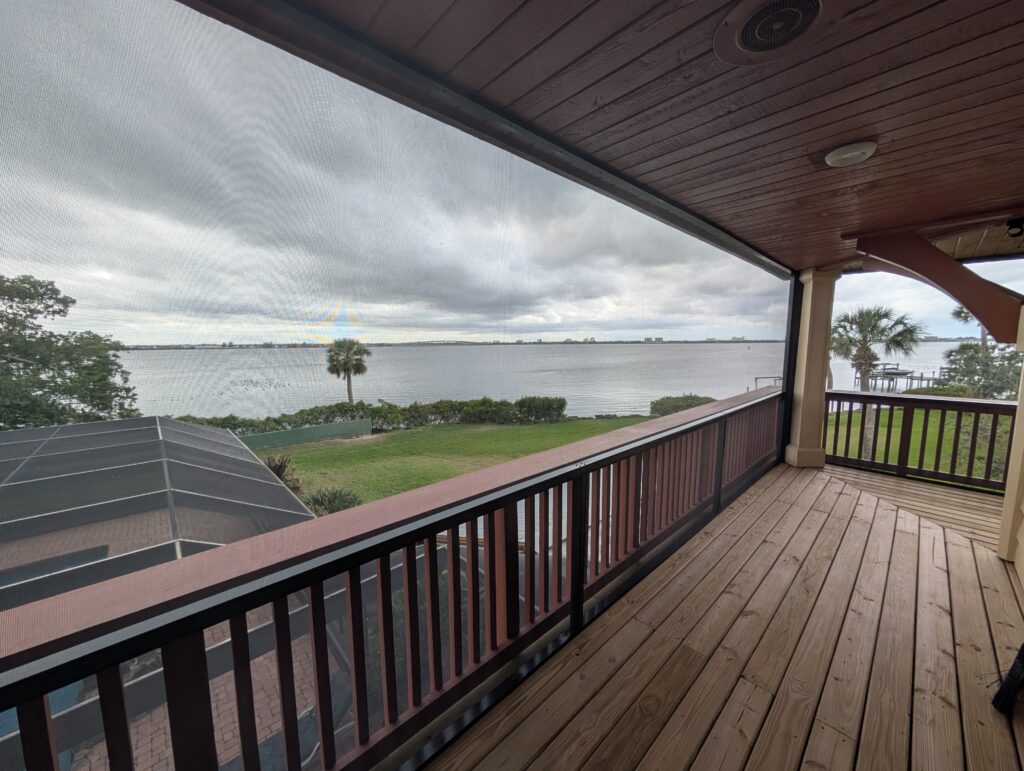
Florida homeowners know that hurricane season brings immense pressure to every part of a property, especially the screen enclosure. While these structures look sturdy, small issues like loose cables or aging mesh often lead to a devastating “zipper effect” during a storm. A single failed panel creates a wind tunnel that can cause the entire aluminum frame to collapse within seconds.
Preparing for high winds requires more than just luck and a prayer. By following a seasonal checklist that focuses on anchor bolts, stabilizing cables, and secure spline channels, you can fortify your enclosure against the elements. These proactive storm preparation tips ensure your structure remains standing even when the weather turns severe.
Taking the time to maintain your cage now reduces the risk of expensive emergency repairs later. Investing in a pool cage hurricane safety with Sunny Screen & Patio gives you the peace of mind you need to focus on your family during a storm.
Inspect Your Anchors and Fasteners
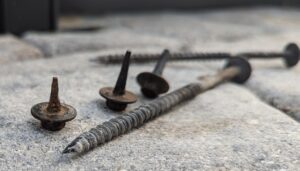
The strength of your enclosure starts where the aluminum meets the concrete. Over time, the anchor bolts that hold your cage to the pool deck can loosen or corrode due to salt air and pool chemicals. If these anchors fail, the entire structure can lift or shift during a high-wind event.
Walk around the perimeter of your cage and check every base plate for signs of movement. If you see rust “bleeding” from the screw heads, the metal has likely lost its structural integrity. Replacing these with high-quality stainless steel fasteners is a critical part of screen enclosure maintenance that prevents a total uplift.
Tighten and Balance Stabilizing Cables
Stabilizing cables provide the tension needed to keep your aluminum beams from swaying and buckling. In Florida, these cables often stretch or become slack after a few seasons of heavy afternoon thunderstorms. A loose cable allows the frame to flex too much, which puts unnecessary stress on the corner joints.
Check the tension of your cables by gently tugging them to ensure they feel taut. If a cable feels limp or shows signs of fraying, it requires immediate attention from a professional. Keeping these lines tight ensures the wind load is distributed evenly across the entire structure rather than focusing on a single weak point.
Check the Spline and Mesh Tension
The “spline” is the rubber cord that locks your screen into the grooves of the aluminum frame. As the mesh ages and the Florida sun bakes the rubber, the spline can shrink or pop out of the channel. When wind hits a loose panel, the screen can pull away, creating a massive opening for wind and debris.
Inspect the edges of each panel to ensure the screen is tightly tucked into the frame. If you notice the mesh sagging or the spline protruding, you should address these gaps before the next tropical system arrives. Secure mesh helps maintain the “box” strength of your enclosure, which is essential for hurricane safety in a pool cage.
Clear Debris from Gutters and Rooflines
Heavy rain is a constant companion to Florida windstorms, and your enclosure gutters must be clear to handle the runoff. When leaves and pine needles clog the gutters, water backs up, adding hundreds of pounds of extra weight to the frame. This added weight makes the enclosure much more susceptible to collapsing under wind pressure.
Use a sturdy ladder to clear out any organic material that has collected where the cage meets your roof. Ensure the downspouts are clear so water moves away from the foundation of your home. Keeping your gutters clean is one of the simplest storm-preparation tips that significantly extends the life of your aluminum gutters.
Assess the Condition of Aging Mesh
Brittle, sun-rotted mesh is a major safety hazard during a hurricane. Older screens lose their ability to filter wind, instead acting like a solid sail that catches every gust. This increased wind resistance puts immense pressure on the aluminum beams, potentially leading to catastrophic structural failure.
Perform a quick “sun test” on your panels to see if the material has reached its limit.
- Touch Test: Press the mesh with your fingertip to see if it feels “crunchy” or stiff.
- Visual Check: Look for silvering or a grey tint, which indicates heavy UV damage.
- Tear Check: Inspect the corners for small “V” shaped tears starting at the frame.
If your mesh fails these tests, you should consider a full rescreen before the heart of the storm season. Fresh mesh is designed to withstand higher pressures, providing a much safer environment for your property.
Professional Maintenance for Total Confidence
While many homeowners can handle basic inspections, a professional audit provides an extra layer of security. Expert contractors have the tools to measure tension and check fasteners that are high above the ground.
From replacing rusted screws to installing high-performance mesh, these upgrades turn your patio into a fortress. Relying on experts for your screen enclosure maintenance means you won’t have to guess if your home is ready when the sirens go off.
Rebuild with Peace of Mind
Preparing your pool cage for a storm is an investment in your home’s future and your family’s safety. By following these simple steps, you eliminate the “weak links” that lead to structural failure. You can head into the next hurricane season with the confidence that your outdoor space is as protected as possible.
Contact us today to schedule a comprehensive storm-readiness audit of your pool cage. Let us help you protect your investment and give you the peace of mind you deserve this season.